
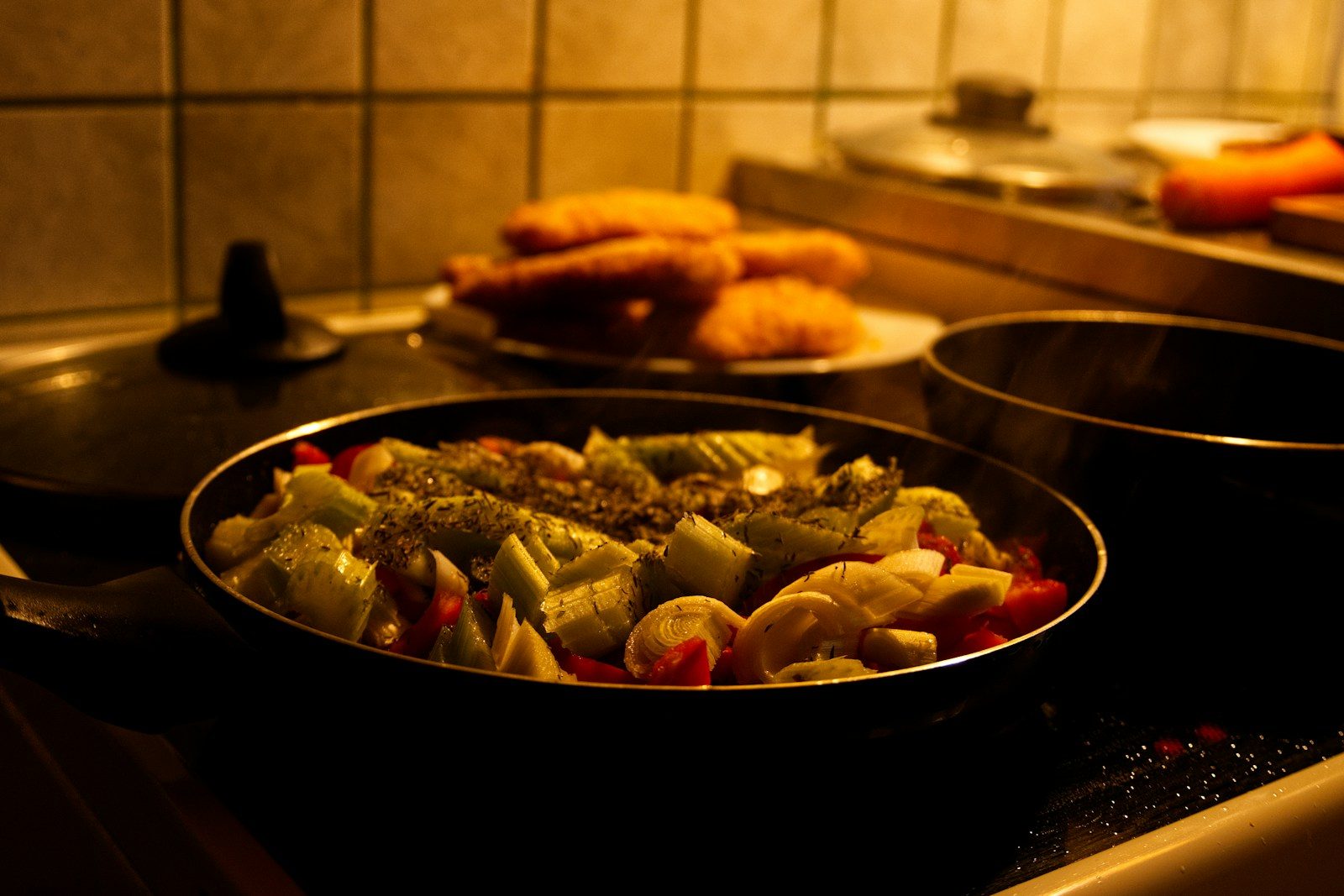
Leftovers can be convenient, comforting, and sometimes even taste better the next day. The problem starts when reheating turns a good meal into something dry, rubbery, or unevenly warmed. If you have been searching for how to reheat food without drying it out, you are not alone in that frustration. Many foods lose moisture quickly when reheated the wrong way.
It can feel disappointing when a meal that tasted great the first time suddenly feels tough or bland. You may wonder if leftovers are just meant to lose quality after being stored. The truth is, reheating is less about speed and more about how moisture is handled. Learning how to reheat food without drying it out can make leftovers feel enjoyable instead of disappointing.
Why Food Dries Out During Reheating
Food usually dries out because heat removes moisture too quickly. High temperatures cause water inside the food to evaporate faster than it can redistribute. This leaves meat feeling tough, rice feeling hard, and pasta losing its softness. Even foods that were originally moist can become dry if reheated too aggressively.
Another reason is uneven heating. Some parts of the food become overheated while others remain cold. This happens often in microwaves when food is not spread evenly. Overheated sections lose moisture first, creating a dry texture. The longer food sits under intense heat, the more noticeable the dryness becomes.
The Best Way to Reheat Food Without Drying It Out
One of the easiest ways to keep food moist is adding a small amount of water or liquid before reheating. This creates steam that helps replace lost moisture during warming. Rice, pasta, and cooked vegetables respond especially well to this method. Even a few drops of liquid can improve texture significantly.
Covering food while reheating also helps trap moisture. A lid, plate, or microwave-safe cover keeps steam close to the food. This prevents rapid drying and allows heat to spread more evenly. Moisture retention is often the difference between soft leftovers and dry leftovers.
Why Low Heat Works Better Than High Heat
Many people use high heat because they want food ready quickly. The problem is that fast heat often warms the outside before the inside has time to heat properly. This creates dryness around the edges while leaving the center uneven. Lower heat gives food time to warm gradually without losing as much moisture.
Gentle reheating works especially well for foods like chicken, pasta, rice, and casseroles. It allows moisture to stay inside instead of evaporating too fast. Slower heating also helps flavors remain more balanced. Food often tastes closer to freshly cooked when reheated carefully.
Mistakes That Make Reheated Food Dry
One common mistake is reheating food for too long without checking it. Extra time may seem harmless, but even one additional minute can change texture. Once moisture leaves the food, it becomes difficult to restore softness. Short intervals help prevent accidental overheating.
Another mistake is reheating food uncovered. Without protection, steam escapes immediately and leaves food exposed to dry heat. This happens especially in microwaves and ovens. Covering food creates a softer reheating environment that keeps texture more enjoyable.
How to Reheat Different Foods Properly
Rice reheats best when a small amount of water is added before heating. Covering the rice helps steam soften the grains instead of drying them further. Pasta benefits from a splash of sauce or water to bring back moisture. Stirring halfway through also helps distribute heat evenly.
Meat usually works best with lower heat and some added moisture. Chicken, beef, and fish can dry out quickly if reheated too aggressively. Covering them while warming helps protect texture. Soups and stews are often easier because their liquid naturally prevents dryness.
Small Habits That Improve Leftovers
Storing food properly before reheating makes a difference later. Airtight containers help preserve moisture while leftovers sit in the fridge. Food that dries out during storage becomes harder to restore during reheating. Good storage gives you a better starting point.
It also helps to portion leftovers before storing them. Smaller portions reheat more evenly and require less time. This reduces the chance of overheating certain sections. Small habits like this make reheating easier and more reliable.
A Better Way to Think About Leftovers
Learning how to reheat food without drying it out changes how you feel about leftovers. Instead of expecting reheated meals to taste worse, you learn how to preserve texture and flavor. Small adjustments create noticeable improvements without extra effort. Reheating becomes part of the cooking process rather than an afterthought.
Good reheating is mostly about moisture, patience, and temperature. Once you understand what food needs during warming, the results become more consistent. You no longer have to accept dry leftovers as normal. With a few simple habits, reheated food can still feel satisfying and enjoyable.

I’m the voice behind From Her Lens, where I write about relationships, emotions, and the things we often struggle to make sense of. I focus on breaking down real situations in a way that feels clear, honest, and relatable. My goal is to help people understand what they are feeling and why, without overcomplicating it.