
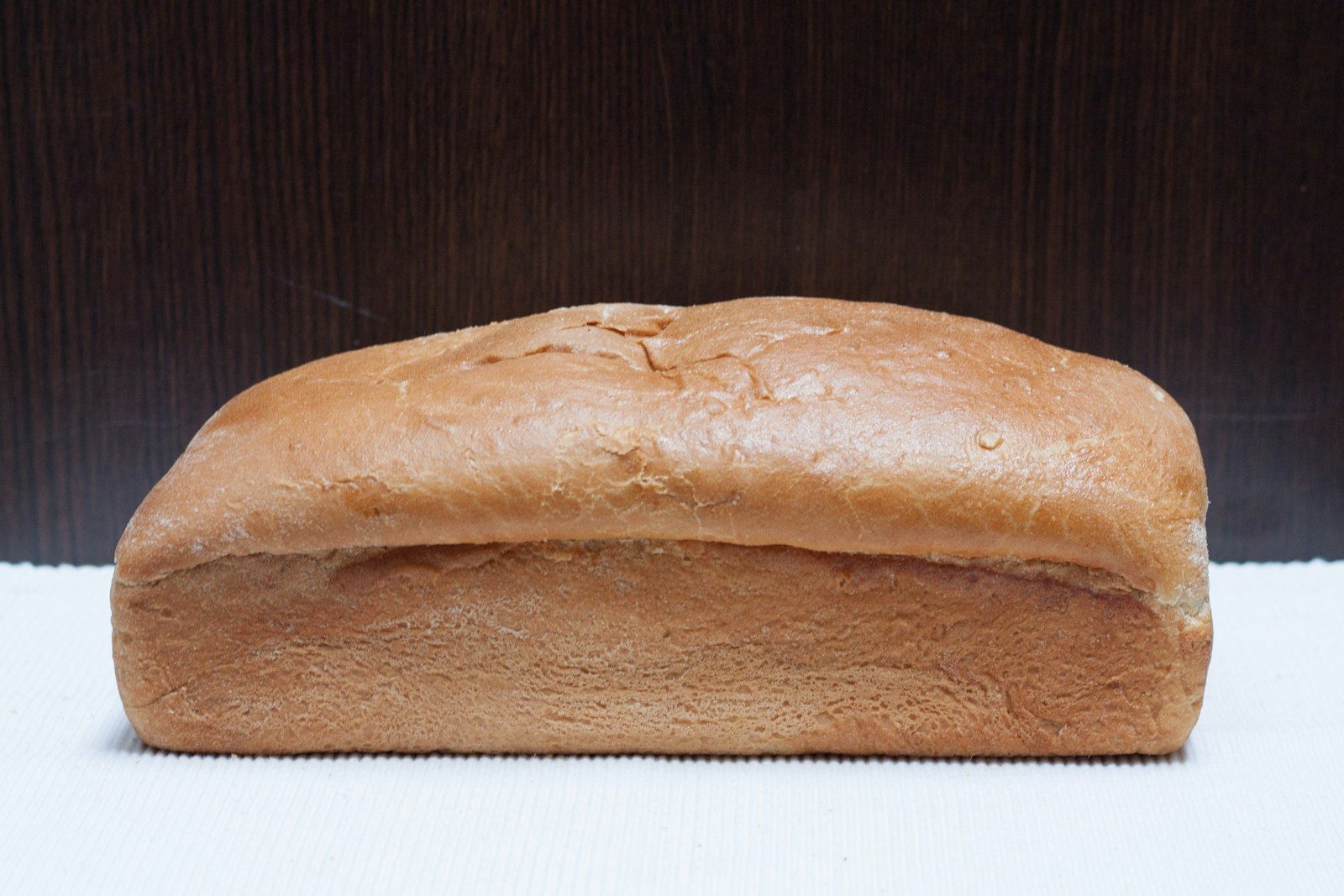
You reach for a loaf of bread expecting it to feel soft, only to find it dry, stiff, or difficult to bite into. Bread can go hard surprisingly fast, especially when it sits out too long or is stored the wrong way. If you have been searching for how to soften bread that has gone hard, you are not alone in that frustration. It happens often, even when the bread was fresh just a day or two earlier.
Hard bread can feel disappointing because it seems like it has already passed the point of saving. You may think you need to throw it away or settle for something unpleasant to eat. The good news is that bread often becomes soft again with a few simple adjustments. Learning how to soften bread that has gone hard can help you save food and make your kitchen routine feel less wasteful.
Why Bread Becomes Hard So Quickly
Bread usually becomes hard because it loses moisture over time. As it sits, the water inside slowly evaporates, leaving the texture dry and firm. This process happens faster when bread is left uncovered or stored in places with too much air exposure. Even a short amount of time can change the texture noticeably.
Temperature also affects how quickly bread hardens. Refrigerators may seem like a good storage option, but they often speed up the drying process. Cold air changes the structure of the bread and causes it to become stale faster. This is why bread stored in the fridge often feels firmer than expected.
The Easiest Way to Soften Bread That Has Gone Hard
One of the simplest ways to soften bread is by adding a little moisture before warming it. Lightly dampen the outside of the bread with water, making sure it is not soaked. Then warm it gently in the oven for a few minutes. The heat allows moisture to move back into the bread, helping it feel softer again.
This method works well because bread responds quickly to steam and warmth. The moisture softens the dry texture without making the bread soggy. Even bread that feels very firm can improve noticeably. Small adjustments often bring back a fresher texture.
Why Heat Helps Bring Bread Back to Life
Heat changes how moisture moves through bread. When bread warms up, trapped starches soften and become more flexible again. This helps reduce the hard, dry feeling that develops over time. Gentle warmth works better than high heat because it softens without over-drying.
Too much heat can make bread even harder if not monitored carefully. The goal is to warm it just enough to reintroduce softness. Slow heating gives moisture time to spread evenly. This creates a better texture without damaging the bread.
Mistakes That Can Make Bread Worse
One mistake people make is microwaving bread for too long. While the microwave softens bread quickly, too much time can make it chewy or rubbery. Bread often feels soft for a moment and then becomes hard again once it cools. Short reheating works better than extended heating.
Another mistake is adding too much water. Bread only needs a light amount of moisture to improve texture. Too much water can make it soggy or uneven. Gentle moisture works better than soaking.
How to Soften Different Types of Bread
Crusty bread often responds well to light moisture and oven heat. The outside softens slightly while the inside becomes more tender. Sandwich bread usually needs less heat because it already contains more moisture. A short warming period is often enough.
Rolls, buns, and sliced bread can also soften when wrapped lightly while warming. Wrapping helps trap moisture and prevents further drying. This works especially well when reheating multiple pieces at once. Small adjustments based on bread type improve results.
How to Keep Bread From Going Hard Too Fast
Storing bread properly makes a big difference in freshness. Keeping it in a sealed bag or bread container helps preserve moisture. Too much exposure to air speeds up drying. A simple storage habit often prevents the problem before it starts.
It also helps to keep bread at room temperature instead of refrigerating it. Room temperature storage usually protects texture better for short-term use. Freezing is often better than refrigeration if you need to keep bread longer. Small storage changes can extend freshness noticeably.
A Better Way to Save Hard Bread
Learning how to soften bread that has gone hard helps reduce waste and frustration. Bread often looks beyond saving when it simply needs moisture and warmth. Small fixes can bring back texture and make it enjoyable again. You do not always need to replace it immediately.
Bread becomes easier to manage once you understand what affects freshness. Instead of seeing hard bread as ruined, you can view it as something that needs adjustment. Simple kitchen habits make a noticeable difference over time. With a little care, even stale bread can feel usable again.

I’m the voice behind From Her Lens, where I write about relationships, emotions, and the things we often struggle to make sense of. I focus on breaking down real situations in a way that feels clear, honest, and relatable. My goal is to help people understand what they are feeling and why, without overcomplicating it.