
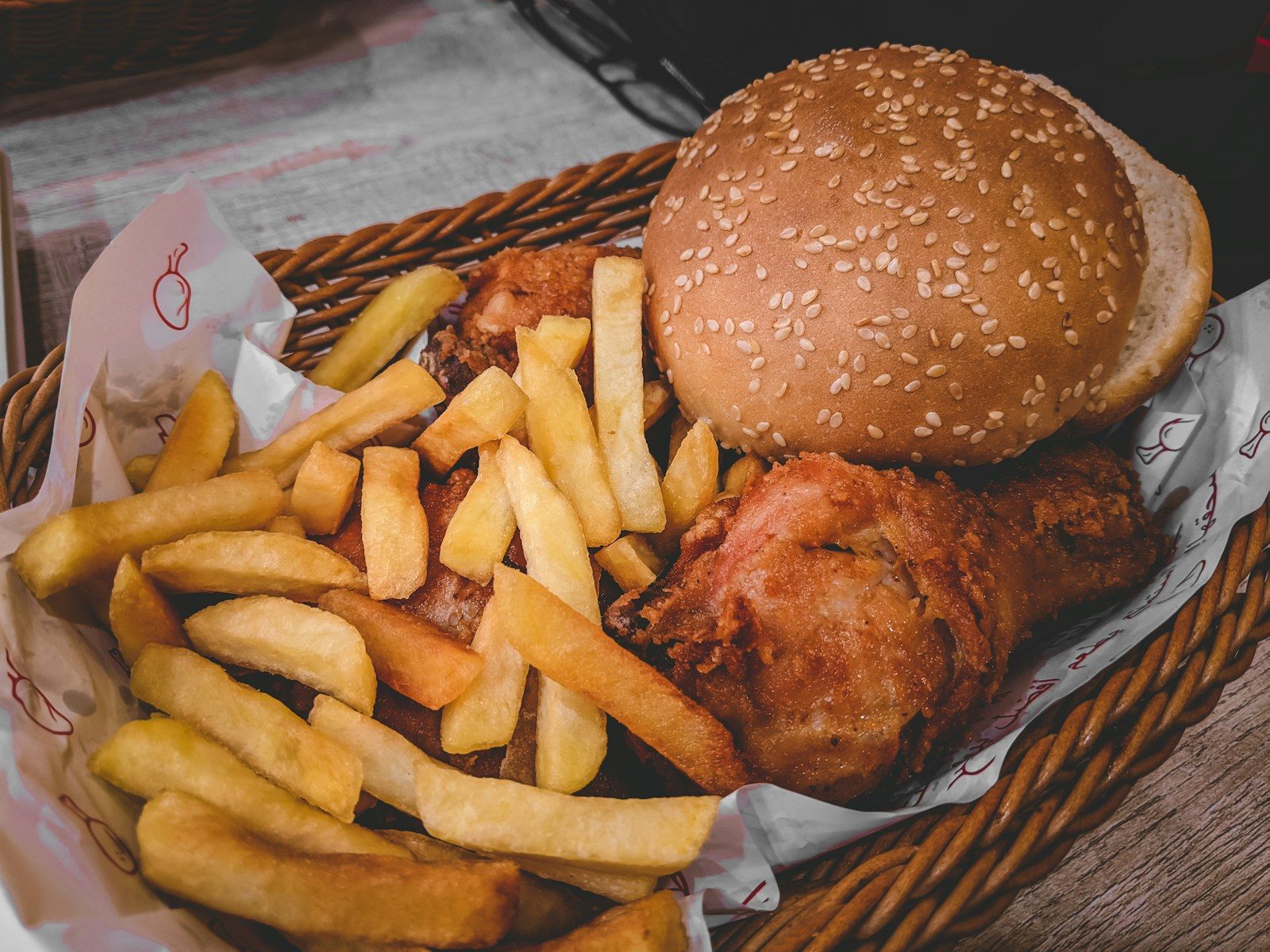
Freshly fried food has a texture that is hard to beat. The outside feels light and crunchy, while the inside stays warm and soft. If you have been wondering how to keep fried food crispy for hours, you are not alone in that struggle. Fried food often loses its crispiness faster than expected, especially when it sits for too long.
It can feel disappointing when food that looked perfect at first turns soggy before serving time. This happens often during parties, family meals, or when cooking in batches. The good news is that crispy food can stay crisp much longer with a few simple adjustments. Learning how to keep fried food crispy for hours is less about luck and more about understanding what affects texture.
Why Fried Food Loses Its Crispiness
Fried food becomes soggy because of trapped moisture. When hot food sits without airflow, steam builds up and softens the crispy coating. This moisture slowly turns the crunchy exterior into something soft and heavy. Even perfectly fried food can lose texture quickly if it is stored the wrong way.
Another reason is placing fried food directly on flat surfaces. Plates, paper towels, or covered containers trap heat underneath the food. This creates condensation that weakens the crispy layer. The longer moisture stays trapped, the faster the crispiness disappears.
The Best Way to Keep Fried Food Crispy for Hours
One of the easiest ways to keep fried food crispy is using a wire rack instead of a flat plate. A wire rack allows air to circulate around the food, preventing steam from collecting underneath. This keeps the coating dry and helps preserve the texture. Airflow is one of the biggest secrets behind long-lasting crispiness.
Keeping fried food in a warm oven can also help. A low temperature keeps the food warm without adding moisture. This method works especially well when cooking multiple batches. It allows you to hold the food until serving time without losing too much crunch.
Why Temperature Matters More Than You Think
Temperature plays a major role in how long fried food stays crispy. If food cools too quickly, trapped steam begins softening the outer layer. If it stays too hot in a closed container, moisture builds up. The goal is to keep food warm enough without trapping humidity.
A low oven setting creates a balanced environment for fried food. It prevents sudden cooling while allowing moisture to escape gradually. This helps maintain texture without drying out the inside. Small temperature adjustments often make a noticeable difference.
Mistakes That Make Fried Food Soggy
One common mistake is stacking fried food on top of itself. While it may save space, stacked food traps heat and steam between layers. This creates moisture that softens the coating quickly. Keeping pieces separated helps maintain crispiness much longer.
Another mistake is covering fried food tightly right after cooking. Covering traps steam, which immediately begins softening the crust. Even a small amount of trapped moisture can change the texture within minutes. Allowing food to breathe is often more important than keeping it covered.
How to Keep Different Fried Foods Crispy
Different foods hold crispiness in slightly different ways. Fried chicken, fries, fish, and snacks all respond better when they have space and airflow. Heavier fried foods usually stay crispy longer because of their thicker coating. Lighter items may need more attention to avoid becoming soft too quickly.
Foods with batter often benefit from resting on a rack immediately after frying. This allows excess oil to drain while preserving texture. Thin fried foods may cool faster, so keeping them warm matters even more. Understanding the type of food helps you adjust your method.
Small Habits That Make a Big Difference
Letting excess oil drain properly after frying helps keep food crisp for longer. Too much oil sitting on the surface creates heaviness that softens the coating. A quick resting period on a rack improves both texture and flavor. This small step makes fried food feel lighter and less greasy.
It also helps to fry in batches without overcrowding the pan. Crowding lowers the oil temperature and creates steam instead of crispness. Proper spacing gives each piece enough room to cook evenly. Small cooking habits often matter just as much as storage methods.
A Better Way to Keep Fried Food Fresh
Learning how to keep fried food crispy for hours makes cooking feel less rushed. You no longer have to serve everything immediately to enjoy good texture. With a few simple adjustments, fried food stays enjoyable even when prepared ahead of time. This makes gatherings and meal prep feel much easier.
Crispiness is mostly about controlling moisture and airflow. Once you understand how steam affects texture, the process becomes more predictable. Small habits like using a rack or warm oven create better results without extra effort. Over time, these adjustments become part of your natural cooking routine.

I’m the voice behind From Her Lens, where I write about relationships, emotions, and the things we often struggle to make sense of. I focus on breaking down real situations in a way that feels clear, honest, and relatable. My goal is to help people understand what they are feeling and why, without overcomplicating it.