
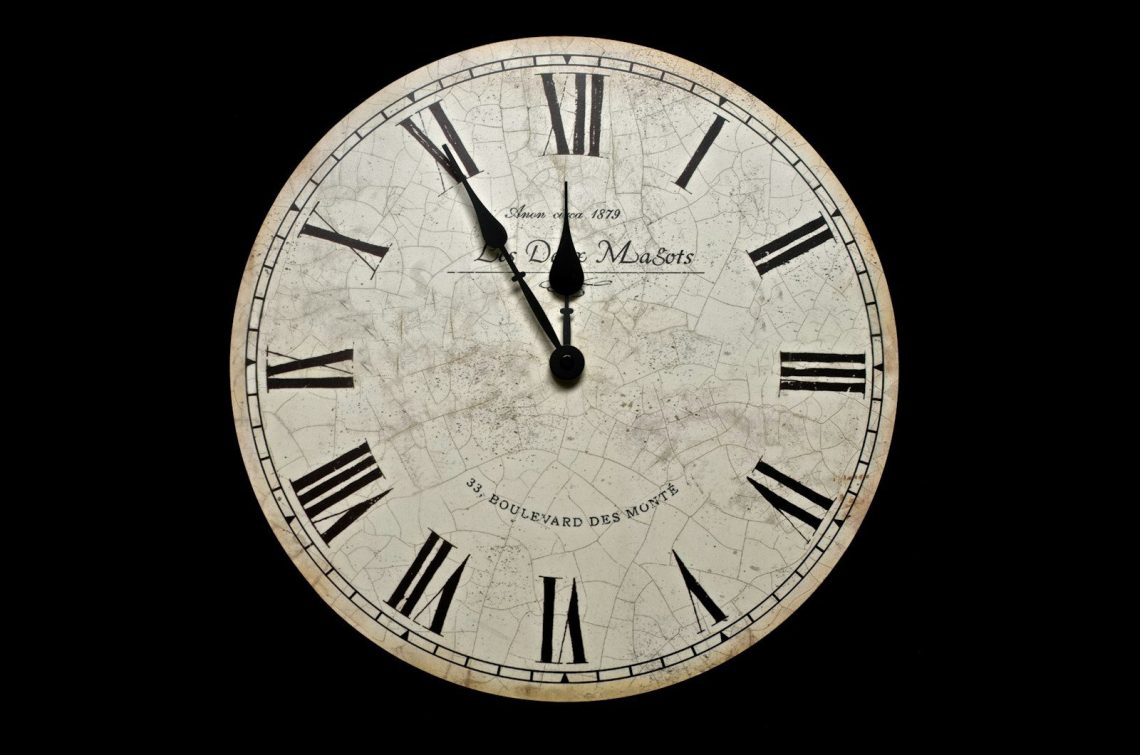
On Sunday, the clocks hand you a free hour. Before you start planning how to spend it, read the fine print, because most people never actually get to use it.
The Promise
Here’s the offer. At 2:00 a.m. on Sunday, November 1, 2026, clocks in most of the U.S. go back to 1:00 a.m., according to The Old Farmer’s Almanac. The night is an hour longer, which on paper means an hour of extra sleep. (Hawaii and most of Arizona skip the whole thing.)
It sounds like the best deal of the year. Lots of people plan around it, staying up later on Saturday and counting on a bonus hour in bed.
The Fine Print
Here’s where it gets complicated. Harvard Health Publishing’s blog on the subject, written by Dr. Anthony Komaroff, says that in the fall, only a minority of people actually get that promised extra hour of sleep. Komaroff has explained elsewhere that many people wake earlier than usual, have more trouble falling asleep, and are more likely to wake during the night. He’s also suggested that if you feel like you got more sleep, it may be because you got sleepy earlier and went to bed earlier.
The reason is that your body doesn’t read the clock on your wall. Your internal clock, the circadian rhythm, runs on its own schedule, and it’s heavily guided by light. The Sleep Foundation notes that clock changes can temporarily disrupt it, making it harder to fall asleep, wake up, and stay alert. So if your body is used to waking at 6:30 a.m., it may still wake you at what the clock now calls 5:30.
What the Data Says About the Week After
Some of the most recent numbers come from wearable devices. Oura told Axios that across more than 76,000 of its members, average time spent awake in bed rose 2% in the week after last fall’s change, compared with the week before. Members also had a higher resting heart rate, more sedentary time, and less sleep overall.
Anita Shelgikar, president of the American Academy of Sleep Medicine, told Axios that even when people are “gaining time,” their internal clocks are still disrupted. Keep in mind that the Oura figures are company data from one group of ring owners, not a controlled study. But they point the same direction as the sleep experts.
The Hidden Fee: Your Mood
There’s one more charge, and it’s the one I’d take most seriously. A large Danish study in Epidemiology looked at 185,419 hospital contacts for depression between 1995 and 2012. The switch from summer time to standard time was associated with an 11% increase in new depressive episodes, which faded over about 10 weeks. No matching change showed up after the spring switch.
A few important notes. These were hospital-treated cases in Denmark, not everyday low moods. The study shows an association, not proof of cause. And it can’t tell us exactly why. One plausible explanation is that evenings get dark an hour earlier, but that’s a guess. The authors’ point was that doctors, families, and people prone to depression should watch for symptoms in the weeks after the change. If your mood stays low, it’s worth talking to a doctor.
How to Actually Cash In Your Hour
Nothing here is a guaranteed fix, but a few steps line up with what sleep experts recommend. Shelgikar’s advice to Axios was to get sunlight first thing in the morning and keep your bedroom dark and cool. Light is the signal your body clock listens to most, so a morning walk does more than a late-night scroll.
Try not to treat Saturday night as a license to stay up. If your body wakes you at the usual time, you may lose the hour you were counting on. And give yourself some patience. Komaroff has suggested allowing about a week for your sleep rhythm to settle in, according to a local news summary of his advice.
The Bottom Line
The extra hour is real on the clock and a lot less real in your body. If you remember one thing, make it this: the bonus you’re promised doesn’t automatically become sleep, and the week after can be a little rough.
And yes, the time change lands on a Sunday this year, so the Sunday scaries might get some company. For more explanations of everyday body and brain quirks, visit our Everyday Science section.




2 Comments on “You’re About to Get a Free Hour. Here’s Why Most People Never Actually Spend It.”
Comments are closed.