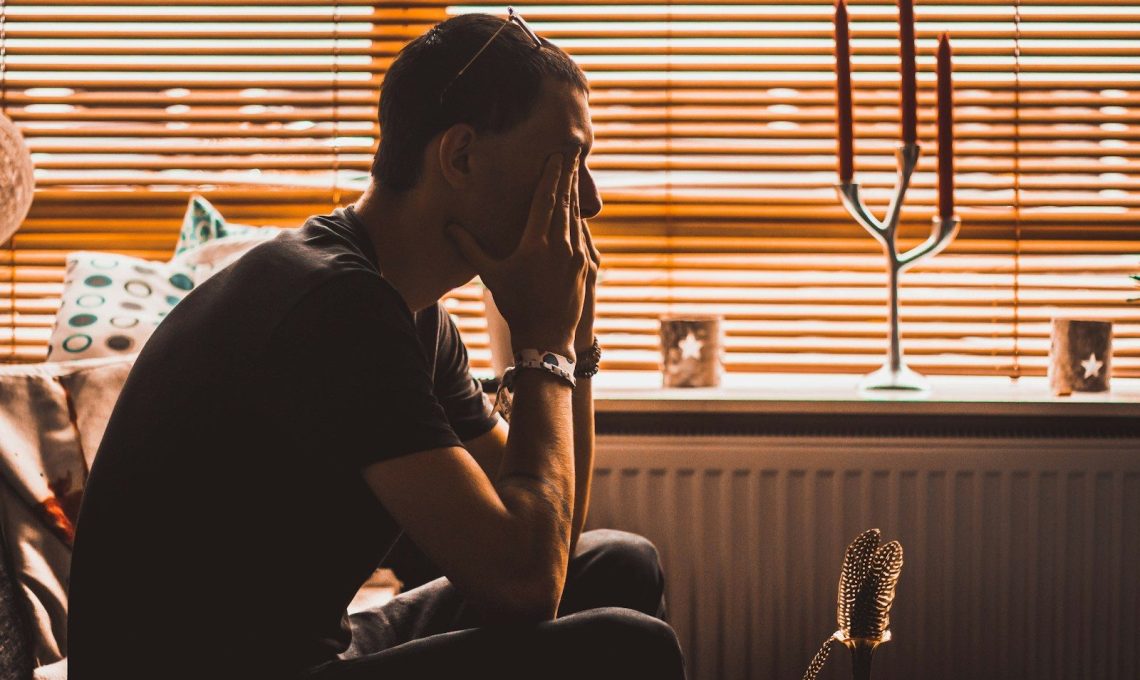
That heavy feeling when the sun sets before dinner isn’t just in your head. But it also isn’t always the same thing as depression, and knowing the difference can change what you do about it.
Every year, the same thing happens on Google. According to an analysis by the mental health company Thriveworks of five years of search data, searches for “seasonal depression” spike in mid-November and stay high through mid-December. If you’re one of the people typing it in, here’s a simple way to sort out what you might be feeling, in three levels.
Level One: The Winter Blues
Plenty of people feel a bit flatter, slower, and sleepier when the days get short. You might want to stay in more, crave comfort food, and find mornings harder. It’s common, it usually doesn’t wreck your life, and it tends to ease on its own as the season changes.
Think of this as a dip, not a diagnosis. It can still feel unpleasant, and it’s worth taking seriously enough to look after yourself. But it’s a different thing from what comes next.
Level Two: Seasonal Affective Disorder (SAD)
Seasonal affective disorder is a recognized form of depression. According to the American Psychiatric Association, the formal label in the diagnostic manual is “major depressive disorder with seasonal pattern.” It affects about 5% of adults in the U.S. in a given year, and the APA notes that women and young adults are most likely to develop it.
What separates it from the blues is the intensity and the pattern. SAD brings symptoms that look like major depression, including persistent low mood, loss of interest in things you normally enjoy, changes in sleep and appetite, and low energy. And it comes back around the same time each year. A clinician generally looks for that seasonal pattern recurring over at least two consecutive years, as the University of Arizona’s health information explains.
Geography plays a role, too. The APA says SAD is more common the farther you live from the equator, where winter daylight is shorter. An older NIMH briefing cited a range from about 1.4% in Florida to 9.7% in New Hampshire. Those are dated figures, but they show the pattern clearly.
Level Three: When to Get Help Now
Please don’t wait for the season to pass if you’re struggling badly. Reach out to a doctor or mental health professional if your low mood lasts most of the day for more than a couple of weeks, you’re having trouble working or taking care of yourself, or you’ve stopped enjoying things that usually matter to you.
And if you’re having thoughts of harming yourself or feel unsafe, contact emergency services right away. In the U.S., you can call or text 988 to reach the Suicide & Crisis Lifeline. Elsewhere, please use your local emergency number or crisis line.
Why Does Short Daylight Do This?
Researchers haven’t pinned it to a single cause. The leading ideas involve how less sunlight affects the body’s internal clock and brain chemicals like serotonin and melatonin. The National Institute of Mental Health notes that people with SAD may have trouble regulating serotonin, a chemical involved in mood. Treat any single explanation as a working theory, not the final answer.
What Helps at Each Level
For the winter blues, small habits go a long way. Get outside in the morning when you can, since daylight is the strongest signal your body clock listens to. Keep a steady sleep schedule, move your body, and plan something to look forward to, like regular time with friends. These are the kinds of lifestyle steps the University of Arizona lists alongside formal treatment.
For SAD, there are well-studied treatments. The APA says SAD can be treated effectively with light therapy, antidepressant medication, talk therapy, or a combination. Light therapy means sitting near a special bright light box, usually in the morning for about 30 to 45 minutes, and the APA says most people notice some improvement within one to two weeks. Cognitive behavioral therapy has also been shown to help. Because symptoms are predictable, some people start light therapy in early fall to head them off.
If you’re thinking about a light box, check with a doctor first, especially if you have eye conditions or a history of bipolar disorder. A professional can also make sure it really is SAD and not something else.
The Clock-Change Connection
The timing this weekend isn’t a coincidence. When the clocks go back, evenings get dark an hour earlier overnight. A large Danish study in Epidemiology found an 11% increase in hospital contacts for depression after the fall switch, which faded over about ten weeks. That study shows an association, not proof of cause, and it looked at hospital-treated cases in Denmark. But it’s a reminder to be gentle with yourself in the weeks after the change. We broke that research down in our piece on why the “extra hour” isn’t quite what it seems.
A Word About Self-Diagnosis
It’s tempting to scroll for an answer, but a video can’t tell you whether you have SAD. We looked at why in our article on how feeds can turn normal quirks into “symptoms.” If something feels off, a short conversation with a professional is worth far more than another hour of searching.
The Bottom Line
Feeling heavier when the days shrink is common, and for some people it’s a real, treatable condition. Knowing which level you’re at helps you choose the right response, whether that’s a morning walk, a light box, or a call to your doctor.
For more on how our minds work, visit our Psychology section. This article is for general information and isn’t a substitute for professional advice.