
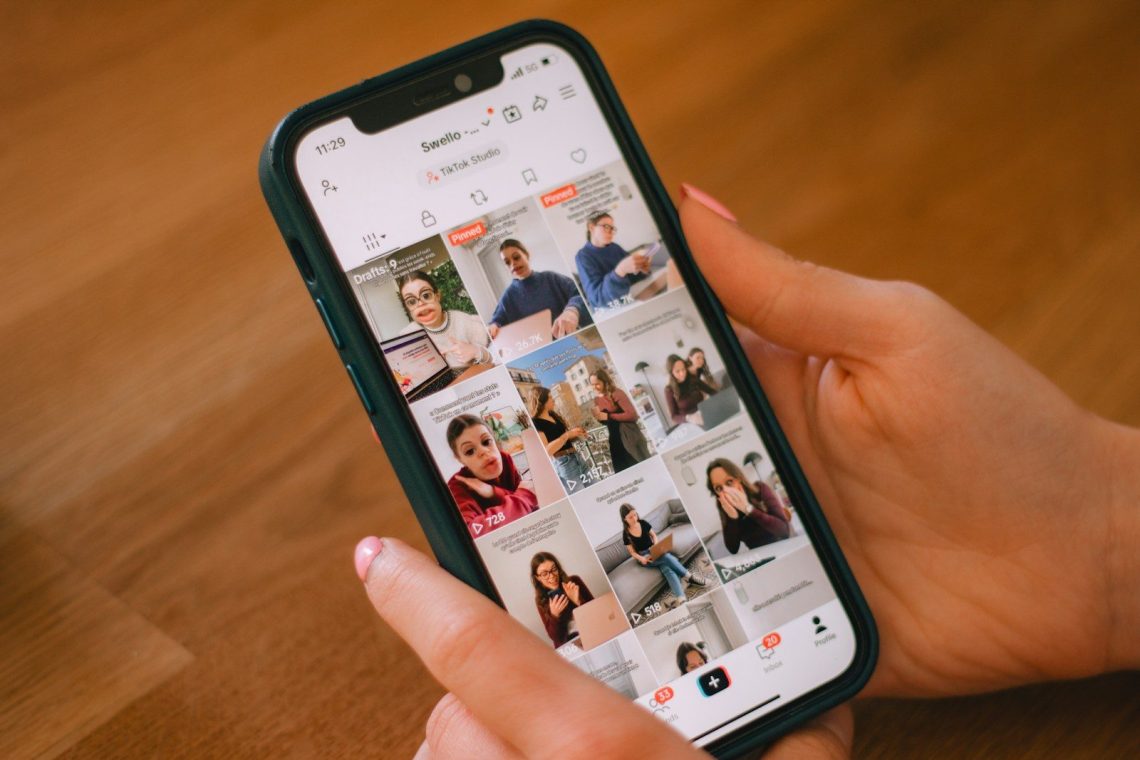
Say a friend texts you at midnight: “ok so I think I might have ADHD??” Then, a few seconds later: “a video told me.” You’d probably ask which video, and whether it listed a lot of things you do too.
That little scene plays out constantly, and it raises a fair question. When a short video says “five signs you might have this condition,” how much can you actually trust it? The research is more interesting, and more nuanced, than “TikTok is rotting your brain.”
Why Do These Videos Feel So Right?
Because most of them describe experiences nearly everybody has. Everyone loses focus sometimes. Everyone has a messy week. When a video lists those moments and tells you they’re symptoms, the match feels personal, because it is a match. It’s just a match for almost anyone.
The difference between a trait and a symptom comes down to how much it disrupts your life, how long it’s lasted, and what else could explain it. A 30-second clip can’t weigh any of that.
What Does the Research Actually Say?
The best-known study comes from the University of British Columbia, published in PLOS ONE in 2025. Researchers took the 100 most-viewed #ADHD videos on TikTok and had two clinical psychologists with ADHD expertise check the claims. Fewer than half of the claims about symptoms matched clinical diagnostic guidelines.
Then they surveyed 843 undergraduates, some with a formal diagnosis, some who had self-diagnosed, and some with no ADHD. The more ADHD content a young adult watched, the more likely they were to overestimate how common and how severe ADHD symptoms are in the general population.
That last point matters. The study measured perceptions, not diagnoses. Nobody was “given” ADHD by a video. What shifted was how normal behavior gets interpreted.
Is the Algorithm to Blame?
It’s not the whole story, but the evidence suggests it plays a part. A 2026 study in Digital Health analyzed ADHD videos on TikTok and Bilibili (both Chinese short-video platforms in the study) and found something it called a “quality-engagement paradox.” Videos with a higher risk of encouraging self-diagnosis got significantly more likes and shares. Quality showed no meaningful link to engagement at all. The authors suggest that engagement-driven systems may end up amplifying misleading health information.
A separate audit, a preprint on arXiv (so not yet peer-reviewed), tested what happens when simulated users watch mental health videos. Engagement was the main driver of what came next, and feeds filled up with that content quickly. Self-diagnosis content was among the biggest shares of potentially harmful videos they found.
Put simply, if you linger on one video, the system learns you’ll linger on more. It doesn’t know whether the video was right. It only knows you stayed. If you’re curious how feeds shape what we watch more broadly, we’ve covered that in our Media Analysis section.
Aren’t These Videos Also Helping People?
Yes, and I don’t want to pretend otherwise. A 2026 systematic review of TikTok and young adults’ mental health points out that mental health content can encourage people to seek a clinical diagnosis and can help reduce stigma. The authors conclude that these videos can be a starting point for learning, but shouldn’t be a basis for self-diagnosis.
For plenty of people, a video was the first time they realized something they’d struggled with had a name, and that’s valuable. The risk begins when “this sounds like me” turns into “this is me” without anyone qualified weighing in.
So What Should You Do When a Video Feels Like You?
Start by checking who’s talking. A licensed professional and a person sharing their own story are two different things, and personal stories, while useful, aren’t diagnoses. Then ask whether the list would fit almost anyone. If it would, it isn’t telling you much.
Pay attention to how you feel afterward, too. If you grow more certain with every video, that’s probably the algorithm doing its thing, not new evidence. If your feed is getting heavy, you can reset it, since the audit found that actively avoiding this content cuts your exposure, though not to zero.
And if something in your life really does feel hard, write down what you’ve noticed, how long it’s been going on, and how it affects your day, then bring those notes to a professional. That’s far more useful than a video count.
The Bottom Line
TikTok isn’t diagnosing anyone, but it is very good at making normal human quirks look like symptoms, and at rewarding the videos that do it best. Take your own struggles seriously, and let a qualified person look at the whole picture.
Want more on how our minds and our feeds interact? Browse our Psychology section.



One comment on “The TikTok Diagnosis: How Your Feed Can Turn Normal Quirks Into “Symptoms””
Comments are closed.