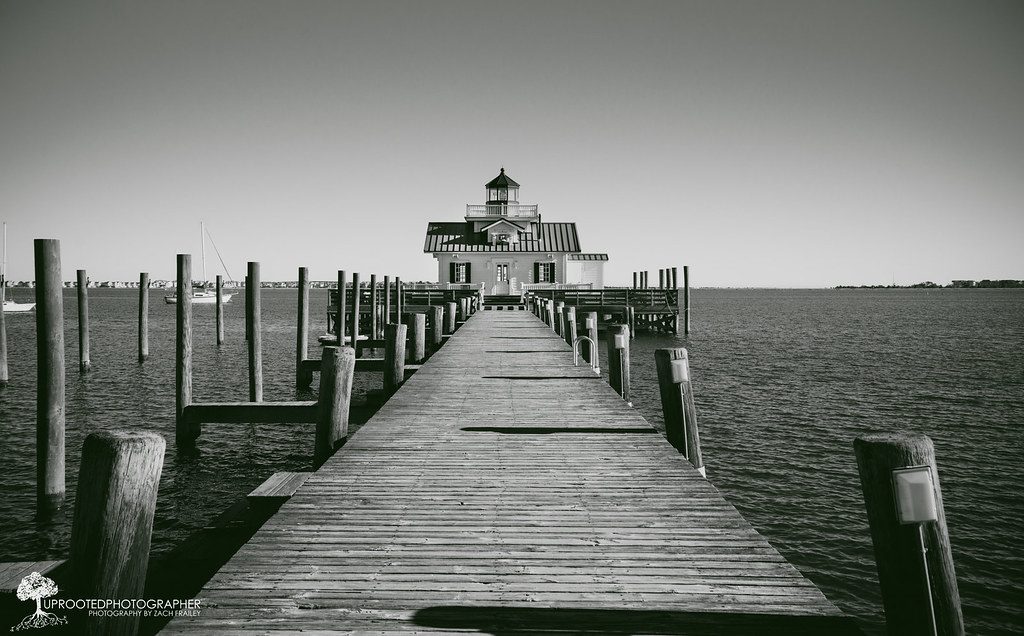
In the summer of 1587, more than 100 English settlers arrived on Roanoke Island, off the coast of what is now North Carolina. They hoped to establish a permanent English colony in the New World. Among them were families, skilled workers, and a woman named Eleanor Dare, who would give birth to Virginia Dare, the first English child known to have been born in the Americas to English parents.
Then, within a few years, the settlement disappeared from the historical record in one of the most enduring mysteries in American history.
When the colony’s governor, John White, returned in 1590 after a prolonged absence, he found the settlement deserted. There was no obvious sign of a massacre, no bodies, and no clear explanation of where the settlers had gone. The word “CROATOAN” had been carved into a wooden post, while the letters “CRO” appeared on a nearby tree.
More than four centuries later, the fate of the Lost Colony of Roanoke remains unresolved. But the surviving evidence offers several plausible explanations for what happened.
Why Was the Roanoke Colony Established?
The Roanoke settlement was part of England’s effort to establish a foothold in North America during a period of intense competition among European powers.
English expeditions hoped to find economic opportunities, expand the influence of the English Crown, and establish settlements that could support further exploration. Sir Walter Raleigh sponsored the colonization efforts, although he did not personally lead the settlers to the island.
An earlier English settlement attempt in 1585 had struggled with shortages and deteriorating relations with Indigenous communities. The 1587 expedition was intended to establish a more permanent community, including families who could build a lasting settlement.
John White served as governor of the new colony. Soon after the settlers arrived, however, the situation became difficult. Supplies were limited, and the colony needed additional resources from England to survive.
White eventually returned to England to obtain assistance. He could not have known that the trip would leave him separated from the settlers for years.
John White’s Return to England
White left Roanoke in late 1587, hoping to secure supplies and additional support for the struggling settlement.
His return was delayed by circumstances beyond his control. England was preparing for the threat posed by the Spanish Armada, and ships and resources were redirected toward the military crisis. White was unable to return to Roanoke as quickly as he had intended.
He eventually sailed back to the island in 1590, approximately three years after leaving the colonists behind.
The delay matters because it meant the settlers had spent years without the assistance White had promised to bring. Whatever difficulties they had faced during that period, they would have needed a way to find food, protect themselves, and survive without regular supplies from England.
When White finally reached the settlement, he found it abandoned.
The Mysterious Word “CROATOAN”
The most famous clue was the word “CROATOAN,” carved into a post at the deserted settlement.
White had previously agreed with the colonists that, if they needed to relocate, they would leave a message indicating their destination. If they were forced to leave under dangerous circumstances, they were also supposed to carve a cross as a warning.
White reported that he found no such cross near the inscription. He also saw the letters “CRO” carved into a tree.
Croatoan was the name associated with a nearby island, now known as Hatteras Island, and with the Indigenous people who lived there. The inscription therefore suggested that the settlers might have moved to a place associated with the Croatoan people.
White wanted to investigate the possibility, but bad weather and other difficulties prevented him from conducting a thorough search. He never found definitive evidence confirming what had happened to the colonists.
The carving remains central to the mystery because it may have been a deliberate message rather than a random inscription.
Theory 1: The Colonists Joined Indigenous Communities
One of the leading explanations is that at least some of the settlers left Roanoke and joined nearby Indigenous communities.
The word “CROATOAN” supports this possibility. If the colonists had decided to relocate peacefully, the inscription could have told White where they intended to go.
Moving to an established community may have offered access to food, local knowledge, and support that the struggling English settlement could no longer provide on its own.
Some later accounts and historical interpretations have suggested that English settlers may have integrated into Indigenous communities. However, there is no conclusive evidence establishing exactly which colonists moved, where they settled, or whether all of them survived.
It is also important to recognize that the Indigenous peoples of the region were not simply background figures in a European mystery. They had their own communities, political relationships, and survival strategies. Any account of Roanoke must consider that the settlers’ fate may have been shaped by interactions with these existing societies.
Theory 2: The Colonists Split Into Smaller Groups
Another possibility is that the settlers did not all move to the same destination.
A community facing food shortages or insecurity might have divided into smaller groups in search of resources and safer places to live. Some may have attempted to reach Croatoan, while others could have moved inland or toward other settlements.
This theory could explain why researchers have struggled to identify one location containing definitive evidence of the entire colony.
If the settlers dispersed, their later lives might have become part of different communities. Their descendants, if any, would not necessarily have remained identifiable as members of the original English colony.
However, this explanation remains a hypothesis. There is no complete record of the settlers’ movements after White left the island.
Theory 3: Disease, Hunger, or Conflict Decimated the Settlement
The colonists may also have faced severe hardship after their governor departed.
A settlement dependent on shipments from overseas would have been vulnerable to food shortages, illness, and changes in local conditions. Difficult relations with neighboring communities could have made survival even harder.
It is possible that some settlers died and that others left the area afterward. Such a sequence of events could account for the absence of a clear, unified record of what happened to the group.
Yet the lack of discovered bodies or definitive evidence of a violent event means that historians cannot confidently identify a single disaster as the explanation.
Disease, hunger, and conflict are plausible possibilities, not established facts about the colony’s final days.
Theory 4: They Tried to Reach Another English Settlement
Some interpretations suggest that members of the colony may have attempted to travel elsewhere in search of assistance.
The settlers knew that the English presence in North America depended on further expeditions and supplies. If they believed help was unlikely to arrive, they might have attempted to reach another location.
But this possibility raises additional questions. The settlers would have needed adequate transportation, food, and knowledge of their destination. There is no definitive record identifying a successful journey or a new settlement established by the missing colonists.
Without further evidence, the idea remains one of several possible explanations rather than a confirmed account.
What Does the Archaeological Evidence Tell Us?
Archaeologists have investigated Roanoke and surrounding areas for clues about the settlement and its inhabitants. Excavations and historical research have helped establish the broader context of English colonization and Indigenous life in the region.
Researchers have also examined locations associated with the Croatoan community, now connected to Hatteras Island. Artifacts and other discoveries have contributed to debates about whether English settlers moved into nearby Indigenous communities.
The difficulty is that an artifact does not always reveal who owned it, how it arrived at a location, or whether it belonged to a member of the Lost Colony.
European objects could have been traded, passed between communities, or introduced through later contact. Archaeological evidence must therefore be considered alongside documentary records, the dates of recovered materials, and the history of the region.
No discovery has conclusively established the fate of every colonist.
Why Has the Mystery Remained Unsolved?
The mystery has endured partly because the historical record is incomplete.
John White’s absence created a critical gap in firsthand documentation. When he returned, the settlers were gone, and he could not establish exactly where they had gone or what had happened during the intervening years.
The surviving inscription provides a possible destination but no detailed explanation. The absence of a confirmed mass grave, complete settlement record, or definitive account from the colonists has left room for competing interpretations.
There is also a difference between evidence that suggests a possibility and evidence that proves it. The word “CROATOAN” makes relocation a compelling theory, but it does not establish that every colonist reached Croatoan Island or survived.
The mystery is therefore not necessarily evidence of something supernatural or inexplicable. It may reflect the ordinary difficulties of reconstructing events when records are missing and people have disappeared into a changing historical landscape.
So, What Really Happened to the Lost Colony of Roanoke?
The most cautious conclusion is that the fate of the Roanoke colonists remains unknown.
The inscription “CROATOAN” provides a meaningful clue that some or all of the settlers may have relocated toward a nearby Indigenous community. Historians and archaeologists continue to examine the evidence, but no theory has conclusively explained the disappearance of the entire group.
The colonists may have dispersed, integrated into other communities, suffered severe hardships, or experienced a combination of these events. It is also possible that different people met different fates.
What makes Roanoke so fascinating is that the mystery sits at the intersection of exploration, survival, colonial ambition, and Indigenous history. The settlers did not vanish from a world without people. They lived in a region already inhabited by communities with their own histories and knowledge of the land.
Until stronger evidence emerges, the carved word remains a clue rather than a final answer. More than 400 years later, the Lost Colony of Roanoke continues to remind us how much of the past can remain hidden when the people who witnessed it leave no complete account of their lives.
