

Ask teenagers which media can tell a story, and YouTube edges out movies. Ask the same group how they’d spend a perfect free weekend, and they’ll pick a movie theater. Both answers come from the same survey, released this week.
It sounds like a contradiction, but it’s actually the most interesting thing about it. Let’s count down the findings from UCLA’s new Teens and Screens report, from the least surprising to the one that explains everything.
First, What Is This Report?
Teens and Screens is an annual study from UCLA’s Center for Scholars & Storytellers. The 2026 edition is based on a nationwide survey of about 1,500 tweens, teens, and young adults between 10 and 24. According to the Hollywood Reporter, it covers everything from films and TV to AI, social media, and representation. It’s now in its fifth year.
#4: AI Stories Split People by Age
Asked how they feel when they watch a story about AI, the most common answers were “fascinated” (28.2%) and “excited” (25.6%). But 22% said “doomed” and about 10% said “scared.” The mood shifts with age. In the youngest group, ages 10 to 13, 44.2% said they were fascinated, per Variety. By the time respondents reach 19, “doom” is the leading feeling for 27.4%.
And when asked which media can tell a story, AI landed near the bottom. Only 41.3% said it can, ranking it sixth out of eight, according to Phys.org’s summary.
#3: Influencers Need Not Apply
If you handed these teens a casting budget, famous faces wouldn’t automatically win. A few more would cast brand-new actors (39.8%) than established ones (38.2%). Only 16.8% would cast an influencer. Age matters here, too: the youngest respondents lean toward actors they know, while 19- to 24-year-olds prefer fresh faces (42.9% versus 33.4%).
So much for the idea that every audience wants a built-in following.
#2: A 30-Second Video Counts as a Story
Here’s where the report starts to push back on assumptions. When asked which media can tell a story, YouTube came in first at 72.9%, ahead of TV (70.3%) and movies (70.2%). And 79% said short-form content like Reels, YouTube, and TikTok can tell a story.
To an older viewer, “a story” probably means a movie or a series. To this audience, a story is whatever holds you, in whatever size it comes in.
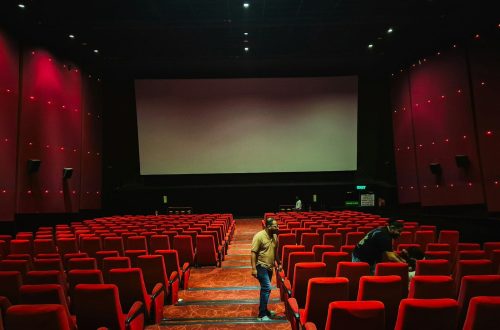
#1: And Yet, the Movie Theater Still Wins the Weekend
This is the headline that gets glossed over. For the third year in a row, seeing a new movie in a theater was the top choice for a weekend outing. Playing a new video game came second, followed by going to a live music show, based on the report summary.
Before anyone declares victory for cinemas, there’s an important detail. According to Cord Cutters News, the question asked how respondents would spend a completely free weekend with no cost or travel restrictions. That makes it a wish list, not a record of what people actually do on a Saturday. A wish list is still revealing, though. When money and logistics are out of the picture, the shared, big-screen experience is what teens pick.
So Which Is It: YouTube or the Theater?
Both. That’s the point. A teenager can think YouTube is a perfectly good storyteller and still want to sit in a dark room with friends and a giant screen. The two answers measure different things. One is about what counts as a story. The other is about what makes an experience feel special.
It lines up with something we looked at in our piece on hangout games and interactive streams: younger audiences aren’t abandoning old formats so much as asking what each one is for. Everyday stories live on the phone. Events, the kind you plan, get a theater.
A Few Caveats
This is a survey, so it captures what people say, not necessarily what they do. The age range runs from 10 to 24, so it doesn’t speak for all of Gen Z, and its views change a lot between the youngest and oldest respondents. Outlets also report slightly different sample sizes, between about 1,500 and 1,537. Treat the percentages as a snapshot of this group, not a verdict on an entire generation.
The Takeaway
The next time someone tells you young people have turned their backs on movies, or that YouTube has replaced storytelling as we know it, remember that both ideas can fit in one survey. This audience isn’t picking a side. It’s building a bigger definition of what a story can be, while still holding on to the places where stories feel like an occasion.
For more on how film, TV, and online culture are shifting, visit our Media Analysis section.




One comment on “Teens Rank YouTube Above Movies for Storytelling. Then They Pick the Movie Theater for the Weekend.”
Comments are closed.