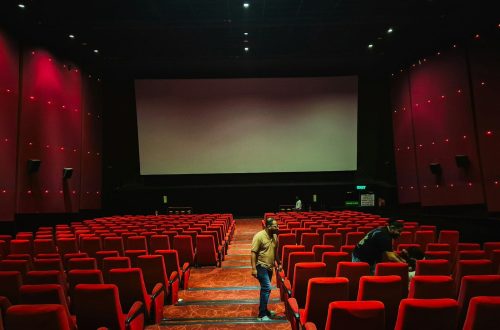
Think about how a Friday night used to go. Somebody picks a movie, everybody argues about it for twenty minutes, and then you all stare at the same screen in near silence for two hours.
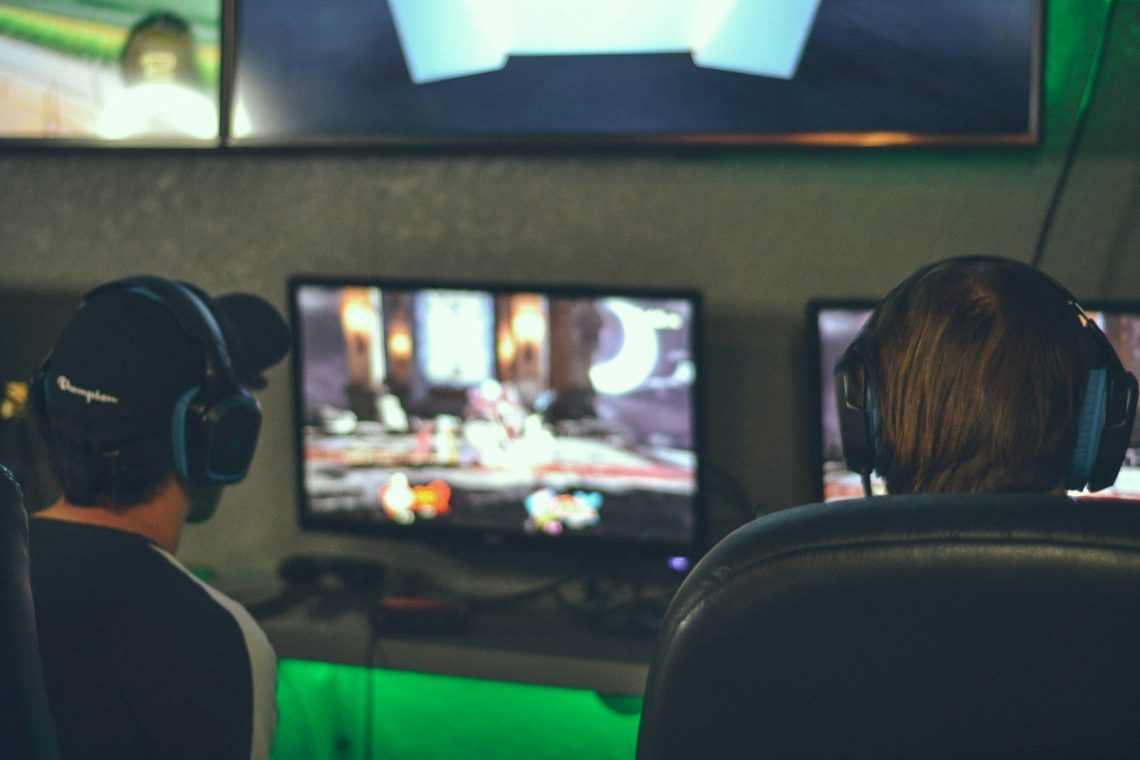
Now picture the version a lot of Gen Z friend groups are having instead. Nobody picks anything. Five people are in a game lobby, a couple of them are building something half-useless, someone’s telling a story about their week, and the “game” is more of a backdrop than the point. Nobody’s watching. Everybody’s there.
That shift is real, and the numbers behind it are more interesting than the usual “kids these days” take. It’s also a bit more complicated than “games are replacing movies.”
First, What’s a “Hangout Game”?
There isn’t an official definition, so here’s my loose one: it’s a game where winning isn’t the point. You’re there to be around people. Think open worlds, creative sandboxes, and lobbies where the real activity is talking, goofing around, and doing nothing in particular together.
Interactive streams work on a similar principle. The stream isn’t something you just watch. Chat shapes what happens next, viewers vote, the streamer reacts to you by name. It feels less like a show and more like a room you walk into.
What the Data Says
Let’s start with games. According to Pew Research Center’s 2024 report on teens and video games, 85% of U.S. teens play video games. Among those who do, 72% say one reason they play is to spend time with others, and 47% say they’ve made a friend online through gaming. For a lot of teens, a game is where friendships live, not just something they do between friendships.
Now the entertainment side. Deloitte’s 2025 Digital Media Trends survey of 3,595 U.S. consumers found that 56% of Gen Z find social media content more relevant than traditional TV shows and movies. About half (52%) feel a stronger personal connection to social media creators than to TV personalities or actors. And Gen Z spends roughly 50 more minutes a day than the average consumer on social platforms and user-generated content, and roughly 44 fewer minutes on TV and movies.
Interactivity shows up too. In a February 2026 Attest survey of 1,000 U.S. adults aged 18 to 27, 30% said they engage with interactive livestreams, and 46% engage with polls, quizzes, and Q&As. Simple ways to take part beat fancy tech like VR in that survey.
Why It Hits Differently Than a Movie
A movie asks you to sit still and receive. A hangout game or a live stream asks you to show up. You can talk, react, mess around, and leave whenever you like, and the experience adjusts to you.
There’s a social-psychology side to this, too. When a streamer reads your comment out loud, it feels personal in a way a film never can. That’s the same pull behind what researchers call parasocial relationships, the one-sided bonds we form with people we watch. If that idea is new to you, we dig into it more in our Psychology section.
So, Are Movies Dead?
Not even close. And this is the part that gets left out of most headlines.
A 2026 report from Dentsu and IGN Entertainment, which surveyed 6,250 highly engaged entertainment consumers in the U.S., U.K., and Australia, found that Gen Z is actually 13% more likely than older groups to go to a movie on opening weekend, according to Variety’s coverage. The same report found that 59% of Gen Z subscribe to and cancel streaming services to chase a single title. So they aren’t skipping stories. They’re just loyal to the story, not to the platform.
Which tells you something. A big opening-weekend movie is a social event. People go together, then talk about it for days. That’s the same thing a hangout game is offering, just with different packaging.
My Take
What’s really being replaced isn’t the movie. It’s the lonely, passive version of entertainment, where you sit alone and scroll through a streaming menu for 30 minutes. (Deloitte’s report found plenty of people feel that frustration.)
Gen Z isn’t giving up on stories. They’re asking for a place to hang out, and games and live streams happen to be good at that. Movies are still a great reason to get together. Hangout games are a place to get together.
A Few Caveats
Surveys like these come from different age groups, different countries, and different definitions of “Gen Z.” Pew’s numbers are about teens, while the Attest survey covers adults 18 to 27. They show a direction, not an exact measurement. And people say a lot of things on surveys that they don’t do on a Tuesday night.
Still, the direction is clear: the future of entertainment looks less like a screen you watch and more like a space you share. For more takes on how we watch and play, check out our Media Analysis section.