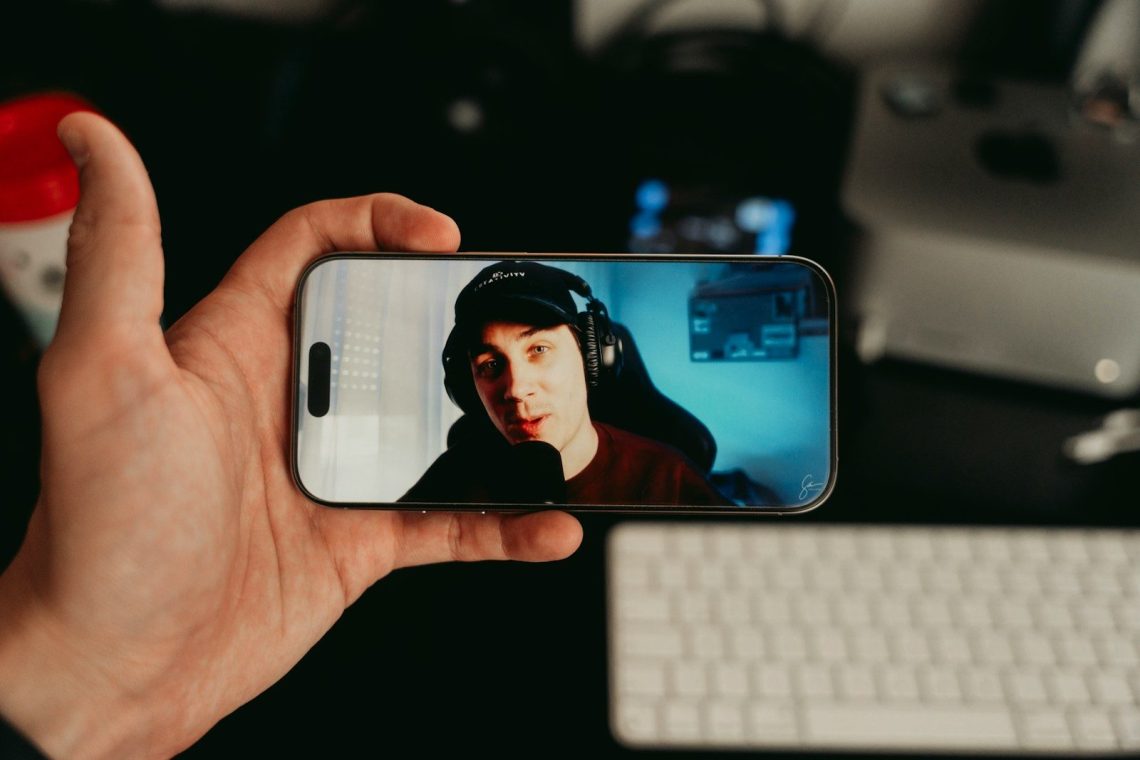
You know the creator I’m talking about. The one whose morning routine, breakup, skincare shelf, therapy breakthrough, and grocery run you’ve watched so many times you could pick their dog out of a lineup. And then one day you opened the app, saw their face in your feed, and thought: I just don’t want to see this today.
You probably couldn’t explain why. You weren’t mad at them. You just felt a little tired.
That feeling has a name floating around the internet: parasocial fatigue. It isn’t a diagnosis, and researchers haven’t turned it into a formal term. But the pattern behind it is showing up in real survey data, and it says something interesting about where social media is heading.
First, What “Parasocial” Actually Means
The word is older than the internet. Sociologists Donald Horton and Richard Wohl came up with it back in 1956, when TV hosts started talking straight into the camera like they were chatting with a friend. They called it “intimacy at a distance,” according to Merriam-Webster. You feel like you know someone, and they don’t know you exist.
And honestly? It’s not a bad thing. Psychology Today notes that researchers once saw these bonds as unhealthy, but most contemporary research finds they’re typically harmless and common. For many people they offer a sense of companionship. Horton and Wohl themselves noted that a small number of people lean on them so heavily that they crowd out real-life relationships, but that’s the exception.
So Why Does It Start to Feel Like Too Much?
Here’s my read on it. Old-school TV personalities clocked out. A vlogger never does.
If you follow a lifestyle creator, you might get a daily video, a stack of stories, a live, a “get ready with me,” and a heartfelt confession in the same week. The relationship feels close, so your brain treats it like one. You start tracking their moods. You feel weird if you skip a post. You notice when they’re struggling, and you feel a little guilty scrolling past.
That’s a lot of emotional bookkeeping for someone who has never texted you back. At some point, the cost of keeping up outweighs what you’re getting from it.
What the Surveys Actually Show
I want to be careful here, because the story isn’t “everyone’s quitting creators.” It’s more specific than that.
YPulse’s 2026 survey of 13- to 39-year-olds found that 58% say they trust online creators, up from 39% in 2022. So trust is climbing, not collapsing. But the same report found that 73% trust smaller creators more than big influencers, and 62% are tired of seeing the same big names everywhere.
Sprout Social’s Q2 2026 pulse survey points the same direction. People follow high-profile influencers mainly for entertainment (59%). When they go to niche creators, they’re looking for different things: to learn a skill or hobby (38%), to find products and trustworthy reviews (36%), and to feel part of a community (31%). You can read the details on Sprout Social’s site.
One caution: these are marketing and market-research surveys, not peer-reviewed studies. They’re good at showing direction. They’re not proof of cause.
Why Niche Creators Feel Easier to Be Around
When you follow a woodworking channel, the deal is simple. They teach you something, you watch, and everyone goes home. You don’t need to know how their week went. Nobody expects you to cheer for their relationship drama or buy their discount code to prove you care.
It’s a relationship with edges. And edges are a relief.
Lifestyle creators who share everything are offering something different: closeness. That can be wonderful, and plenty of people still love it. But closeness is also the thing that gets tiring when it’s constant.
Is Oversharing the Problem?
Not exactly. The data suggests people still want creators who feel real. What seems to be wearing thin is the sameness (the same faces everywhere), the constant access, and the sense that every part of a life has become content.
A creator who shares a lot but also gives you something useful, or something fun, can still hold attention. The creators who struggle are the ones where the personal story becomes the only product.
If You’re Feeling It, Here’s What Helps
- Unfollow or mute without guilt. They won’t notice, and you don’t owe anyone your attention.
- Ask what you’re getting. If a creator makes you feel worse, or just drained, that’s useful information.
- Swap in some “edges.” Follow a few people who teach you something or make you laugh, with no emotional homework attached.
- Protect your real relationships. If you’re spending more time keeping up with a stranger’s life than a friend’s, it might be time to rebalance.
The Bottom Line
Parasocial fatigue isn’t proof that people are done with creators. It’s more like a sign that we’re getting pickier about who gets a seat in our heads. Closeness is nice. Boundaries, it turns out, are nice too.
If you’re curious about why people act the way they do online and offline, we’ve got more in our Psychology section.