
You finish cooking, look into the pot, and immediately notice the dark layer stuck to the bottom. Burnt food can leave behind a stubborn mess that feels impossible to remove without a lot of effort. If you have been searching for how to clean a burnt pot without scrubbing, you are definitely not alone. Burnt pots happen to almost everyone, especially during busy cooking moments or when heat is left too high.
It can feel discouraging because scrubbing often takes time and still does not fully remove the residue. You may worry that the pot is permanently damaged or that you need harsh cleaning products to fix it. The good news is that most burnt pots can be cleaned with simple methods that require very little effort. Learning how to clean a burnt pot without scrubbing helps you save time and avoid damaging your cookware.
Why Burnt Food Sticks So Strongly to Pots
Burnt food sticks because heat changes the texture of food and causes it to bond tightly with the pot surface. When moisture evaporates completely, food hardens and creates a stubborn layer. This layer becomes even more difficult to remove as it cools. The longer it sits, the more firmly it attaches.
Different cookware materials also affect how badly food sticks. Stainless steel and aluminum pots tend to show burnt residue more clearly. Thin pots heat unevenly, which increases the chances of burning. Understanding why food sticks makes the cleaning process feel less frustrating.
The Easiest Way to Clean a Burnt Pot Without Scrubbing
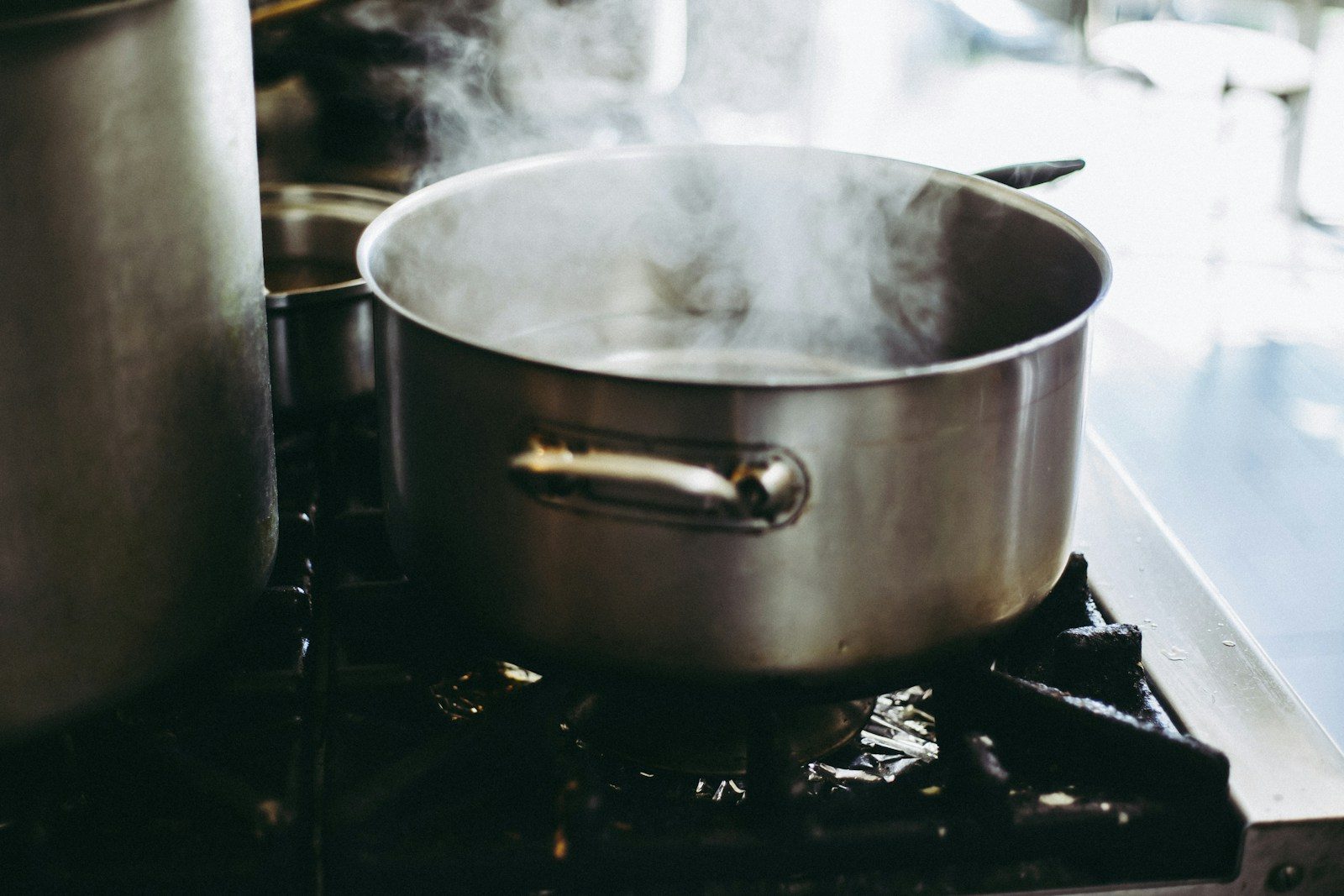
One of the simplest methods is filling the pot with water and heating it on the stove. Add enough water to cover the burnt area and let it simmer for several minutes. The heat helps loosen the stuck residue from the bottom. As the water warms, burnt food often begins lifting on its own.
You can also add a small amount of dish soap while the water heats. Soap helps break down grease and softens stubborn buildup. Once the pot cools slightly, much of the residue may wipe away easily. This method works because heat and moisture loosen what scrubbing normally forces off.
Why Baking Soda Helps Lift Burnt Residue
Baking soda works well because it gently breaks down stubborn buildup without damaging the pot. Adding baking soda to warm water creates a mild cleaning reaction. This helps soften burnt layers and reduce the effort needed later. It is especially helpful for dark stains that remain after soaking.
The mild texture of baking soda also makes it safe for many cookware surfaces. Unlike harsh cleaners, it does not scratch easily. When combined with heat, it becomes even more effective. This creates a simple cleaning solution using ingredients many people already have at home.
Mistakes That Can Make Burnt Pots Harder to Clean
One mistake is trying to scrub the pot immediately while it is still dry. Dry residue sticks more firmly and often requires more pressure to remove. Scrubbing too aggressively can scratch the surface and damage the finish. Softening the residue first usually works better.
Another mistake is letting the burnt pot sit for days without soaking. Burnt food hardens more over time and becomes tougher to loosen. Even a quick soak soon after cooking helps prevent buildup from setting deeply. Acting early makes the cleaning process easier later.
Other Gentle Methods That Work
Vinegar can also help loosen burnt residue inside a pot. Adding vinegar and water to the pot before heating helps break down stubborn stains. The mild acidity softens buildup and makes wiping easier. This method works especially well for lighter burns.
Dishwasher tablets or gentle cleaning powders can also help when soaking. Dissolving them in warm water allows the cleaning agents to soften residue gradually. This reduces the need for hard scrubbing. Letting time do most of the work often produces better results.
How to Prevent Pots From Burning in the Future
Using lower heat helps prevent food from sticking and burning too quickly. High heat may cook faster, but it also increases the chance of scorching. Stirring food regularly helps distribute heat evenly. These small habits protect both the food and the cookware.
It also helps to avoid leaving empty pots on heat for too long. Dry surfaces heat quickly and create burnt spots more easily. Paying attention during cooking reduces the risk of stubborn residue later. Prevention often saves more effort than cleaning.
A Better Way to Handle Burnt Cookware
Learning how to clean a burnt pot without scrubbing makes kitchen mistakes feel less stressful. Burnt pots may look difficult to fix, but most simply need time, moisture, and gentle heat. You do not always need strong chemicals or hard effort. Small methods often work surprisingly well.
Cleaning becomes easier when you stop treating burnt cookware like permanent damage. A patient approach often removes residue more effectively than force. Over time, you learn which methods work best for your kitchen routine. That confidence makes cooking and cleanup feel much less frustrating.

I’m the voice behind From Her Lens, where I write about relationships, emotions, and the things we often struggle to make sense of. I focus on breaking down real situations in a way that feels clear, honest, and relatable. My goal is to help people understand what they are feeling and why, without overcomplicating it.